If your basement still feels a little “mountain-cold” even after you’ve framed and painted, you’re not imagining it. The soil around our homes in Salt Lake, Davis, and Utah Counties stays cool year-round, and concrete loves to sip heat right out of the room. That’s exactly why smart, well-done basement insulation in Utah changes everything—comfort, energy bills, air quality, even resale value. Let me explain how.
Contents
- 1 Why basement insulation matters along the Wasatch Front
- 2 The science, without the headache
- 3 What you gain when you insulate your basement
- 4 Which insulation works best below grade?
- 5 R-value goals that make sense in our climate
- 6 Moisture, vapor, and radon—Utah realities worth noting
- 7 Common mistakes we fix all the time
- 8 What does it cost, and how fast does it pay you back?
- 9 DIY or bring in a pro?
- 10 How we handle it at Utah Basement Finishing
- 11 Timing tips: when’s the best moment to insulate?
- 12 Quick questions we hear all the time
- 13 A quick note on finishes that love insulated walls
- 14 Ready to warm up your basement?
Why basement insulation matters along the Wasatch Front
Basements here live in a different climate than the rest of the house. In winter, the ground chills your foundation; in summer, the air can feel clammy. Without the right insulation, concrete walls act like giant heat sinks. Your furnace and AC have to work harder, your floors stay cold, and that brand-new theater room never quite feels cozy.
Insulation solves more than “feels.” A proper system slows heat loss, helps control moisture, and creates a tight, comfortable envelope. And because the Wasatch Front swings from single-digit nights to blazing summer afternoons, that stable basement temperature is money in the bank. You’ll notice it in your Rocky Mountain Power bills and in everyday comfort—less drafty, less “damp,” simply nicer.
You know what? There’s one more local quirk: our basements become real living space—home gyms, guest rooms, in-law suites. Insulate it right once, and you’ll enjoy it year-round instead of avoiding it half the year.
The science, without the headache
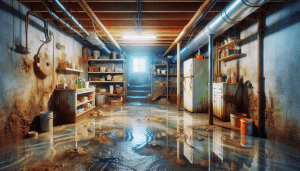
Insulation is not just fluffy stuff in a wall. It’s a system that manages heat, air, and moisture together. In a basement, concrete walls are cooler than indoor air. That temperature difference can make moisture in the air condense—like a cold soda can on a summer day. If warm indoor air reaches that cool concrete, you get condensation. And you know the story from there: musty smells, discoloration, and materials aging faster than they should.
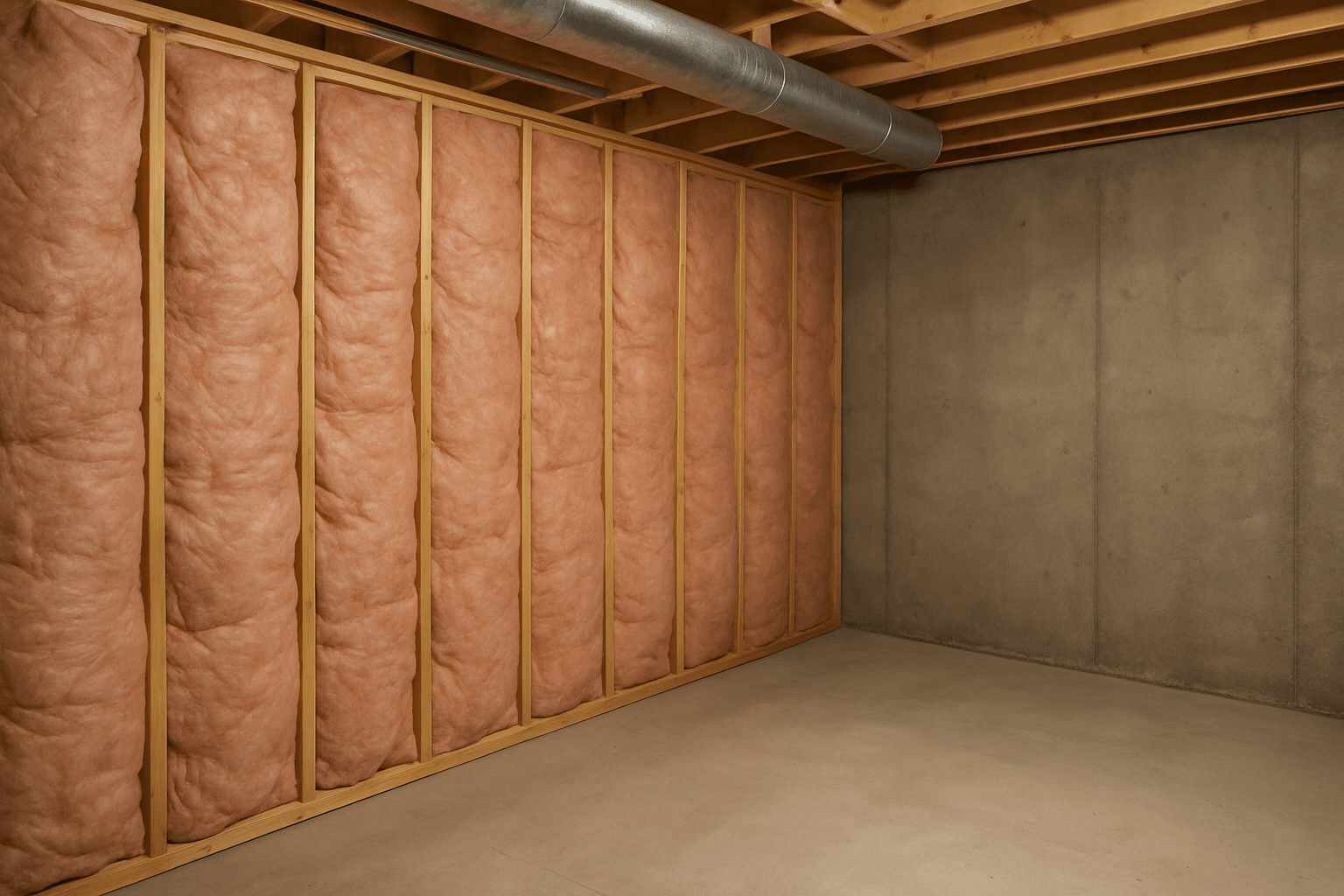
The fix isn’t complicated: we add continuous insulation against the concrete to keep interior surfaces warmer. That reduces condensation. We then seal seams and detail corners to control air leaks. It’s not glamorous, but it’s the secret sauce for durable, comfortable basements.
Sounds simple—and it is—but the details matter. Use the wrong product in the wrong place, and you trap moisture where you don’t want it. Use the right product with careful sealing, and you get a dry, comfortable, quieter space that actually lasts.
What you gain when you insulate your basement
We hear the same reasons from homeowners in Salt Lake City, Bountiful, Layton, Lehi, and Spanish Fork. The benefits stack up pretty fast:
- Lower energy bills: A finished, insulated basement can reduce heating and cooling loads noticeably. Many families see meaningful savings, especially when the rest of the home is reasonably sealed.
- Comfort that feels “even”: No more cold floors next to the exterior wall. Rooms feel consistent—less hot-and-cold cycling.
- Moisture control: The right system cuts down on condensation, which means fewer musty smells and better material longevity.
- Quieter rooms: Insulation deadens sound from outside and between rooms. Movie nights actually sound like movie nights.
- Air quality that’s easier to live with: With proper air sealing and smart materials, dust and humidity spikes tend to settle down.
- Resale value: Buyers notice a comfortable, solid-feeling basement. It signals quality—and shows up in offers.
Now, here’s the twist: insulation alone doesn’t “fix” moisture. But done right, insulation is a key part of preventing it. Strange? A little. True? Absolutely. Keep interior surfaces warmer, and you reduce the conditions that let condensation start in the first place.
Which insulation works best below grade?
We choose materials based on three things: moisture behavior, R-value, and the finish you want. Some products shine below grade; others belong upstairs. Here’s a quick glance at common choices we use for basement Finishing in Utah County, Salt Lake County, and Davis County:
| Insulation Type | Best For | Notes |
|---|---|---|
| Rigid foam board (XPS or EPS) | Continuous insulation on concrete walls | Good R-value; moisture resistant; seams must be sealed; ideal behind framed walls. |
| Closed-cell spray foam | Tight spaces, uneven surfaces, high-performance assemblies | High R per inch; strong air seal; excellent moisture control; higher Cost. |
| Mineral wool batts | Inside stud walls with foam on concrete | Resists moisture; great sound control; use with continuous foam for best results. |
One thing we try to avoid: plain fiberglass batts directly against concrete. Fiberglass is fine in many parts of the home, but on cool, damp concrete it’s not in its element. It can hold moisture against the wall and doesn’t stop air movement by itself.
R-value goals that make sense in our climate
Building codes across the Wasatch Front are based on IECC climate zones (mostly Zone 5, with some areas edging into 6). That typically means you’re targeting around R-15 continuous insulation on the basement walls, or roughly R-19 in a cavity—but the continuous layer is the key below grade. Continuous foam against concrete reduces thermal bridging and keeps the interior surface warmer.
Every jurisdiction can vary slightly, so we confirm local requirements for each project. If you want “cozy, not just code,” we often aim a touch higher on performance—especially for home theaters, guest suites, and offices. The gain in comfort per dollar is real.
Moisture, vapor, and radon—Utah realities worth noting
Basements don’t just lose heat; they have to manage moisture and soil gases. We address all three as a package:
- Vapor control: The safest approach below grade is a continuous foam layer against the concrete, seams sealed. It acts as a vapor retarder and warms the interior face. We typically avoid interior polyethylene sheeting in basements—it can trap moisture where you can’t see it.
- Smart membranes: In some assemblies, we add a smart vapor retarder (like a variable-perm membrane) on the warm side to keep moisture in check while allowing seasonal drying.
- Radon: Utah has pockets with higher radon levels. If you don’t have a mitigation system, test first. We can coordinate with radon pros to install or tie into mitigation, make penetrations airtight, and finish walls without compromising the system.
It might sound like a lot of steps. Honestly, once you’ve done a few hundred basements across Salt Lake and Utah Counties, it becomes a smooth routine. Details matter—but they’re manageable.
Common mistakes we fix all the time
We see a few patterns when we’re called to “rescue” a basement:
- Fiberglass on concrete: It looks like insulation, but without an air and vapor strategy, the wall stays cold and can get damp behind the finish.
- Gaps and seams left open: An unsealed foam board is only half the job. Air leaks around top plates, rim joists, and seams undermine performance.
- No thermal break on the slab edge: That line where floor meets wall can bleed heat. Detailing that edge helps comfort a lot, especially near exterior corners.
- Rim joists ignored: This small area leaks big energy. We often insulate and air-seal it with closed-cell foam or rigid foam carefully sealed.
- Random vapor barriers: Poly in the wrong place can trap moisture. Basements need assemblies that can dry in the right direction.
If you’ve already framed or even drywalled, don’t panic. There are retrofit strategies. But it’s always easier—and cheaper—to build the right insulation package before finishes go up.
What does it cost, and how fast does it pay you back?
Costs vary by size, product, and details such as rim joist treatment and sound control. As a ballpark for basement insulation in Salt Lake County and beyond:
- Rigid foam plus batts: Common, cost-effective—good performance and moisture control.
- Closed-cell spray foam: Higher upfront cost; best for tricky areas and top-tier performance.
Energy savings depend on your current setup, but insulating an uninsulated basement can trim a noticeable chunk off heating loads. Many homeowners see the biggest comfort gains first—then the billing statements catch up. Over time, insulation is one of those upgrades you forget about because it just works in the background.
And yes, incentives come and go. Sometimes there are utility or federal credits for insulation materials that meet current standards. Programs change, so we can point you to up-to-date resources and you can confirm with your tax professional.
DIY or bring in a pro?
You can DIY parts of a basement, sure—paint, flooring, even some framing. But insulation below grade deserves a careful plan. We’re not saying you can’t; we’re saying we’ve seen how small misses turn into big do-overs. Local inspectors in places like Sandy, Farmington, or Orem will check for code compliance. More importantly, your future self will check for comfort and durability. That’s where professional detailing—seam sealing, rim joist work, vapor control—pays off.
Here’s the thing: basements are less forgiving than upstairs rooms. Materials need to be chosen and installed to handle cool concrete and seasonal moisture. If you want to handle demo and we handle the envelope, that teamwork can work great. We’ll be honest about what’s smart to take on and what’s better left to our crew.
How we handle it at Utah Basement Finishing
We keep the process simple and transparent:
- Assessment: We check the foundation, existing insulation (if any), and areas like rim joists and slab edges. If needed, we’ll suggest a radon test.
- Design: We specify a wall assembly—usually continuous rigid foam board or closed-cell spray foam—plus cavity insulation and air sealing details. We’ll match performance to how you’ll use the space: theater, bedroom, office, gym.
- Install: We handle moisture-safe fastening, sealed seams, rim joist treatment, and code details. You get a clean, warm envelope—ready for drywall and finishes.
We also coordinate with electrical, plumbing, and HVAC as needed. If you’re adding a bathroom or kitchenette, we sequence the insulation so trades can work cleanly without compromising the envelope.
Timing tips: when’s the best moment to insulate?
Short answer: before finishes and right after mechanicals. In practice, that means once framing, wiring, and plumbing are roughed in, we come through to insulate and air-seal, then drywall follows. If you’re phasing the project, we can insulate and air-seal exterior walls first to lock in comfort now and finish the rest later.
Winter installs? Totally fine. Summer? Also fine. Each season has its perks. Winter makes comfort benefits obvious the next day. Summer reveals humidity issues we can solve on the spot. Either way, you won’t have to wait until next February to feel the difference.
Quick questions we hear all the time
Will insulation make my basement too tight? Not if it’s done correctly. We combine air sealing with balanced ventilation and, when needed, dehumidification strategies. The result is clean, comfortable air—not stuffy rooms.
What about older homes from the 50s–70s? We do them often. We check for moisture pathways, add continuous foam, and detail the rim joists. Many older basements go from “cold storage” to “favorite room” with the right assembly.
Do I need a vapor barrier? Usually not a sheet of interior poly below grade. We use assemblies that control vapor at the right layer—typically the foam against the concrete—so walls can dry inward as needed.
Is mineral wool better than fiberglass? In basements, mineral wool often wins for moisture resistance and sound. But the bigger point is the continuous foam layer; that’s the real difference-maker.
Will this help with soundproofing? Yes. Mineral wool in cavities plus sealed assemblies cuts noise transmission. We can also add sound channels or acoustic drywall for theaters and studios.
A quick note on finishes that love insulated walls
Once your walls are warm and dry, finishes behave better. Paint cures evenly. Trim sits flat. Floors feel warmer near perimeter walls. Even built-ins and Bars hold up better because the temperature and humidity are stable. It’s like giving your finishes a calm, predictable climate to live in.
Ready to warm up your basement?
Your basement can feel like part of the home you actually live in—not a chilly afterthought. If you want smart, durable basement insulation that’s tailored to Salt Lake, Davis, or Utah County, we’d love to help. Call us at 801-515-3473 or Request a Free Quote and we’ll put together a plan that fits your space, your budget, and how you live.