You’ve got square footage hiding in plain sight. Utah basements are like bonus rooms waiting for a plan, a little grit, and a smart budget. If you’re in Salt Lake County, Davis County, or Utah County and you want a space that’s warm, dry, and welcoming—without blowing savings—this guide is for you. We’ll walk through affordable basement renovation ideas that look sharp, feel comfortable, and make every dollar work hard. You know what? You don’t need marble, you need a plan.
Contents
- 1 Why basements make good money in Utah (and make life easier)
- 2 Start with the bones: moisture, insulation, and code basics
- 3 Layouts that stretch your budget
- 4 Finishes that look high-end (and aren’t)
- 5 Affordable lighting that changes everything
- 6 Storage that tames the chaos
- 7 Smart bathroom and laundry adds that don’t wreck the budget
- 8 Budget-friendly sound control
- 9 DIY, hybrid, or hire it out? Spend where it pays
- 10 Seasonal touches and local trends
- 11 A sample budget for a 700 sq. ft. basement in Salt Lake County
- 12 Little luxuries that feel big
- 13 Common mistakes you can skip
- 14 Style moves that don’t break the bank
- 15 How Utah Basement Finishing keeps it affordable
- 16 Ready for the fun part?
Why basements make good money in Utah (and make life easier)
Basements along the Wasatch Front pull double duty. They buffer temperature swings, add living space for growing families, and—done right—boost resale. The twist? You can finish a basement on a budget and still have it feel rich.
Here’s the thing: most of your Cost goes into what you don’t see—framing, insulation, electrical, plumbing. That sounds boring. Yet that’s exactly what makes the space feel warm, quiet, and solid. Spend smart there, then save on finishes. It’s a little contradictory, but it works.
Another local perk: Utah’s dry climate helps, but basements still need moisture planning. A dry shell plus simple, durable finishes equals a space you’ll actually love to use through ski season, soccer season, and everything in between.
Start with the bones: moisture, insulation, and code basics
Before paint colors and sofas, lock down the essentials. A great remodel sits on a healthy foundation.
- Moisture control: Check gutters and grading outside; seal cracks; use rigid foam or closed-cell spray foam against concrete. Skip plastic sheeting that can trap condensation behind drywall.
- Insulation for our climate zone: Along the Wasatch Front, you’re typically in Climate Zone 5. For basement walls, aim for R-10 continuous foam or R-13 cavity insulation. It keeps rooms warm without roasting the budget.
- Egress and safety: Sleeping rooms need an egress window. Common code targets include a net clear opening of 5.7 sq. ft. (5.0 if at grade), minimum 24-inch height and 20-inch width, with the sill no higher than 44 inches off the floor. Always confirm with your city building department.
- Permits and inspections: Electrical, plumbing, and new walls generally require permits in Salt Lake, Davis, and Utah Counties. Permits protect you and help during resale.
Once the bones are right—warm, dry, and welcoming—the fun stuff finally sticks.
Layouts that stretch your budget
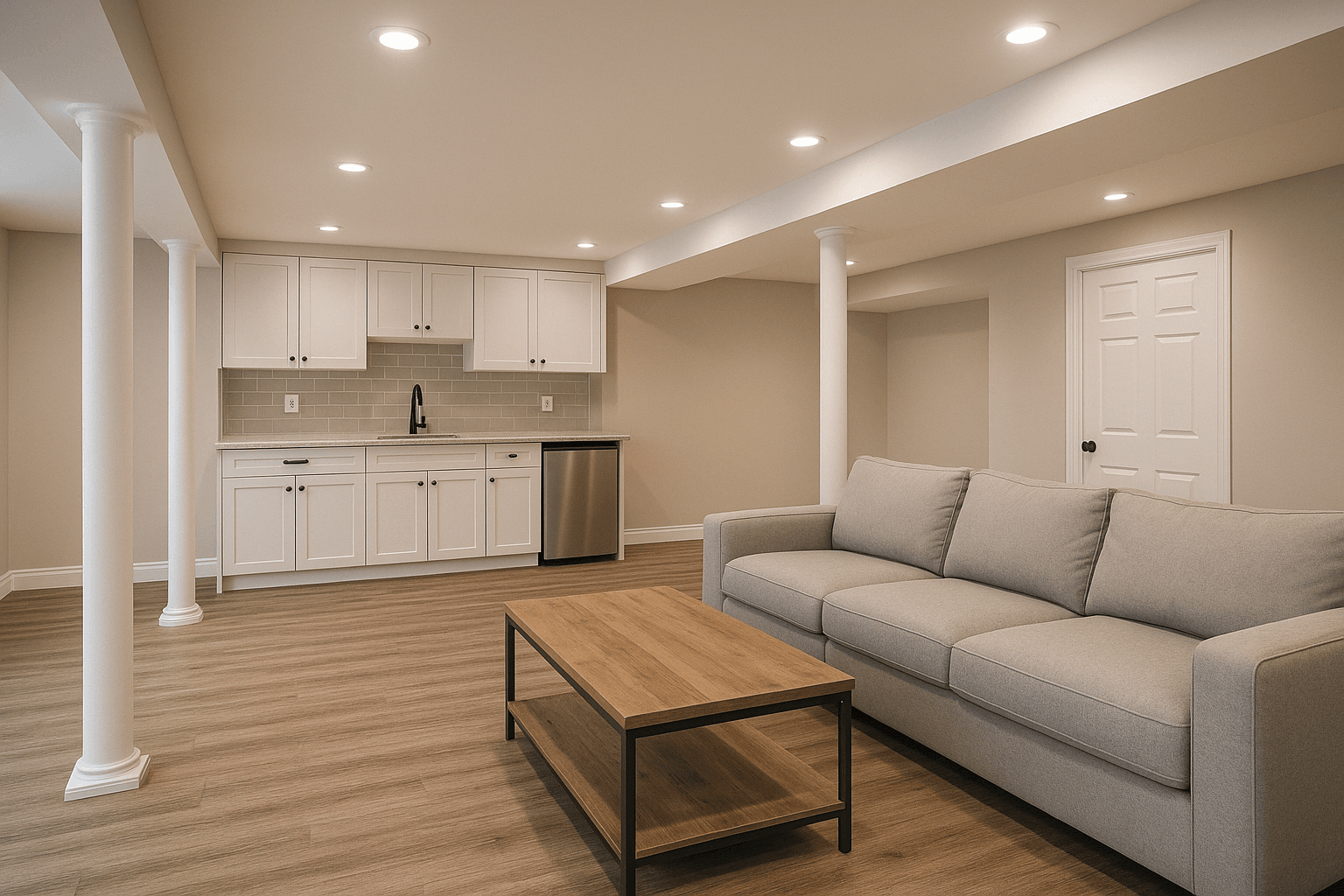
Open plans save money. Fewer walls, fewer doors, fewer headaches. But an open box can still function like three rooms if you plan the zones. Think media, play, and gym—or guest space, office, and craft corner.
Simple zoning tricks that cost almost nothing
Float a sofa to mark the TV zone. Use a rug to define a play area. Hang a curtain to hide a treadmill. Switch the lighting by area—bright in the craft corner, soft near the sectional. Low-cost, high-impact. And if you’ve got a Jazz game going and a homework crunch at the same time, each spot still feels “right.”
Finishes that look high-end (and aren’t)
You can make budget materials feel custom with smart choices and good installation. Let me explain.
Flooring: Luxury vinyl plank (LVP) is a hero in basements—tough, waterproof, and friendly on price. Painted concrete with a matte sealer is another sleeper hit for Game Rooms. Want something soft? Carpet tiles in the TV zone make easy work of spills.
Ceilings: If you need access to ducts and plumbing, consider a modern drop ceiling with slim grid and large, smooth tiles. Drywall the main areas for that clean finish, and keep the grid in the mechanical zone. It’s a budget-balancing act that actually looks great.
Walls: Drywall is the standard. But you can add character—fast—with plywood wainscoting, thin shiplap, or a single accent wall in a deep, calm shade. Brands like Sherwin-Williams Duration Home hold up to kid traffic and the occasional ping-pong ding.
Trim and doors: Use simple, square-edge trim and paint it the same color as the walls for a seamless, modern look. It saves time, and it reads expensive. Slab doors with black or brushed-nickel levers finish the look without the fancy price tag.
Budget tip: Buy materials during spring or fall promos at Home Depot or Lowe’s. A few percent off across flooring, paint, and lighting adds up fast.
Affordable lighting that changes everything
Lighting shapes mood. It also hides sins—like that one corner with the storage totes. A simple, layered setup can make a basement feel finished before the couch even arrives.
Use wafer LED downlights for general lighting. They’re low-profile, easy to install, and inexpensive. Then add floor lamps and a couple of sconces for warmth. Stick with 3000K for cozy, 4000K for bright task zones. And yes, put it all on dimmers; Lutron Diva dimmers are reliable and easy to find.
| Lighting type | Approx. cost | Where it shines |
|---|---|---|
| Wafer LED downlights | $12–$25 each | General lighting across big areas |
| Wall sconces | $35–$90 each | Media walls; stair landings |
| Lamps + smart bulbs | $20–$60 | Reading nooks; flexible mood lighting |
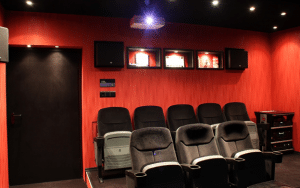
One more trick: put accent lighting on a different switch. When the movie starts, click—instant theater feel.
Storage that tames the chaos
Basements collect stuff—skis, camping bins, canning jars, hand-me-downs. Create a home for it and your living area stays clean.
Under the Stairs, build cubbies for boots, helmets, and seasonal gear. Along a back wall, add a 16–20 inch-deep platform with cabinet doors or IKEA frames. It reads like custom built-ins but costs a fraction. Pegboard near the workshop corner keeps tools off the floor and out of harm’s way. A tidy basement feels bigger, and it is—because you can actually use it.
Smart bathroom and laundry adds that don’t wreck the budget
You don’t always need a full bath. A powder room and a simple wet bar can stretch your spend while still meeting daily needs. Place plumbing close to existing stacks and mechanicals to cut costs. Shorter runs equal smaller bills.
Go with a prefabricated shower pan instead of custom tile, then add a single showstopper—like a niche with patterned tile. For tricky layouts, a macerating up-flush toilet (Saniflo is a common brand) can save on concrete cuts. It’s not glamorous, but it’s clever and cost-effective.
Laundry? Stackable units behind a pocket door are quiet and compact. Add a counter right over them for folding space and a neat look.
Budget-friendly sound control
Noise finds every crack. Stop it early with small moves that matter.
Use mineral wool like Rockwool Safe’n’Sound in ceilings and around bathroom walls. Consider resilient channel where you need extra quiet—like under the kids’ Bedrooms. Add a solid-core door at the theater room and it suddenly feels like you splurged. White noise machines finish the job when movie night gets lively.
DIY, hybrid, or hire it out? Spend where it pays
Not everything needs a pro, but some parts really do. A good mix keeps the budget friendly and the results safe.
| Task | Good to DIY | Better with a pro |
|---|---|---|
| Framing + drywall | Framing small partitions; sanding, priming | Full drywall hang/finish for speed and flat seams |
| Electrical | Fixture swaps after rough-in | Rough wiring, new circuits, panel work |
| Plumbing | Faucet or vanity installs | New drains, venting, showers, gas lines |
| Flooring | LVP, carpet tiles | Stairs, complex transitions |
Permits matter here. We pull permits in Salt Lake, Davis, and Utah Counties all the time, and inspections go smoother when the work is clean and code-honoring.
Seasonal touches and local trends
Utah living swings from snow boots to sandals. Your basement can flex with it.
In winter, a sleek electric fireplace under the TV adds instant cozy. In summer, a cool, LVP-floored game space becomes the neighborhood hangout. If you love the Utes, Cougars, or Jazz, add a subtle nod—a framed jersey or a color-block wall behind the bar. It’s personal, not cheesy.
Paint trends along the Wasatch: warm whites, earthy greens, deep navy accents. They make basements feel calm and finished. And if you’re chasing airy, go one shade lighter downstairs than you’d use upstairs; less natural light means color reads darker.
A sample budget for a 700 sq. ft. basement in Salt Lake County
Every plan is different, but here’s a ballpark for a practical, good-looking finish. Not bare-bones, not lavish—just right.
- Framing and insulation: $3,500–$6,500
- Electrical (wafer lights, switches, a few circuits): $2,200–$4,500
- HVAC adjustments and vents: $1,200–$2,800
- Drywall + finish: $4,000–$7,000
- Flooring (LVP with a carpet tile zone): $2,000–$4,000
- Doors, trim, paint: $1,800–$3,500
- Bathroom (powder or basic 3/4 bath): $4,500–$10,000
- Ceiling (drywall + small access grid): $2,000–$4,200
Total range: roughly $21,200–$42,500, depending on the bath, finishes, and How Much you DIY. A clean plan, mid-grade materials, and a focused scope keep you near the lower half while still looking sharp.
Little luxuries that feel big
Sprinkle a few “wow” pieces and the whole room levels up.
Hang a barn door at the office nook. Wrap one column with simple wood and add a ledge. Paint a single moody wall behind the TV and run a slim LED strip for glow. Add a smart thermostat sensor downstairs so the space stays comfy when you’re using it. Small moves, big feel.
Common mistakes you can skip
We see patterns, and they’re easy to avoid.
- Too many tiny rooms: They shrink the space and raise costs. Keep it open, zone it smart.
- Ignoring egress: Bedrooms need it. Safety first; resale second. Both matter.
- Low-hanging lights/fans: Basements run shorter. Choose flush-mounts and low-profile fixtures.
- No future planning: Pre-wire for speakers or add blocking for a future barn door. Cheap now, pricey later.
- Skipping sound control: A little insulation saves a lot of Saturday naps upstairs.
Style moves that don’t break the bank
You can be creative on a budget. In fact, constraints usually sharpen the design.
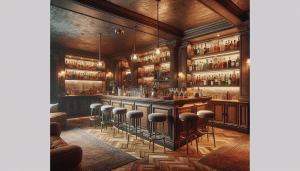
Try a built-in bench with storage under a garden-level window and dress it with cushions. Use picture ledges for a rotating art wall—kids’ drawings, concert posters, ski maps. In the bar area, one slab of butcher block and a simple bracket shelf read custom, yet it’s all off-the-shelf. Whisper it: that’s the fun part.
How Utah Basement Finishing keeps it affordable
We focus on the right sequence, the right materials, and clean execution. We value-engineer every basement we touch—meaning we find savings that don’t cost you comfort or style. Our team knows city requirements across Salt Lake County, Davis County, and Utah County, so permits and inspections move smoothly.
Our process is simple. We listen, we sketch, we price in clear phases, and we help you choose where to save and where to invest. The result is a space that feels personal and polished—without extra fluff weighing down the budget.
Ready for the fun part?
Honestly, your basement doesn’t need to be fancy. It needs to be warm, dry, welcoming—and yours. If you want Utah basement Finishing that respects your budget and your taste, we’re here to help with smart, budget basement ideas and real-world build experience across the Wasatch Front.
Call us at 801-515-3473 or tap Request a Free Quote to get started. We’ll help you shape a clear plan, a fair price, and a timeline that makes sense. Your basement can be the best room in the house—let’s make it happen.