After a day of skiing at Snowbird or a long week of work, stepping into your own sauna — right downstairs — is the kind of luxury that pays for itself in stress relief. Utah’s dry climate actually makes basements ideal for saunas, and installation is more accessible than most people think.
Sauna Design Ideas
1. Traditional Finnish Sauna
The classic. Cedar-lined walls and ceiling, bench seating on two levels, a quality electric heater with sauna stones, and a simple wooden door with a small window. Temperatures reach 170-195°F. This is the purest sauna experience and the most straightforward to build — a 4×6 foot room handles two people comfortably.
2. Infrared Sauna Room
Lower temperatures (120-150°F) but deep-penetrating heat that many find more comfortable. Infrared panels mount on walls instead of a traditional heater, requiring less space and less electrical work. A dedicated 6×6 room with infrared panels on three walls seats 2-3 people.
3. Steam Room / Wet Sauna
A fully tiled, waterproof room with a steam generator. Lower heat (110-120°F) but 100% humidity. Requires more waterproofing than a dry sauna but provides a different therapeutic experience. Eucalyptus dispensers add aromatherapy.
4. Sauna + Cold Plunge Combo
The Nordic tradition: alternate between intense heat and cold water immersion. Install a sauna adjacent to a cold plunge tub (or even a simple chest freezer conversion). The contrast therapy is popular among athletes and wellness enthusiasts. A basement bathroom nearby with a shower completes the circuit.
5. Barrel Sauna (Indoor)
A pre-built barrel sauna installed inside your basement. The curved shape is efficient for heat circulation, and the pre-fabricated construction means faster installation. Available in 4-8 person sizes. The unique shape becomes a design feature.
6. Glass-Front Sauna
A traditional sauna but with one glass wall facing the basement. It looks stunning from outside, lets natural light in, and makes the sauna feel less enclosed. Tempered glass rated for sauna temperatures is essential.
7. Corner Sauna
A triangular sauna built into a basement corner saves floor space. The benches follow the two walls, and the door faces the room at the diagonal. Takes up roughly 5×5 feet of corner space — ideal for basements where every square foot counts.
8. Sauna Suite with Relaxation Area
The sauna room plus an adjacent cooling-down area with comfortable seating, a water station, and ambient lighting. Think spa waiting room. After 15-20 minutes in the sauna, having a dedicated space to cool down makes the experience significantly better.
9. Japanese Onsen-Inspired
A soaking tub paired with a dry sauna, both finished with natural wood and stone. The aesthetic is minimalist and calming — clean lines, warm tones, and no clutter. A small rock garden or water feature outside the sauna door adds to the zen.
10. Sauna + Gym Combo
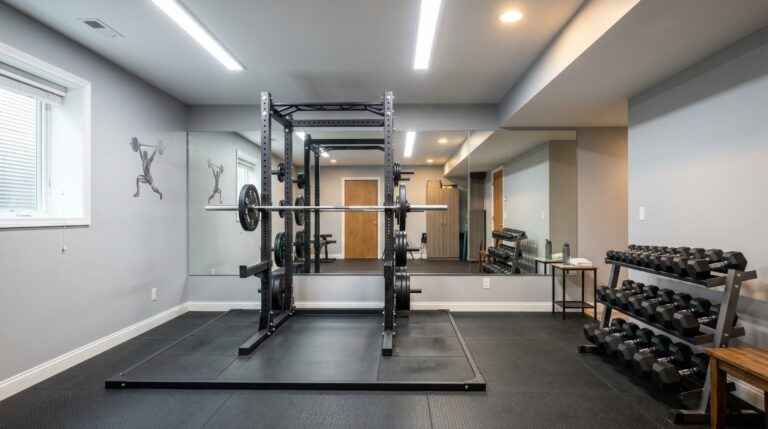
Position the sauna adjacent to your home gym. Post-workout heat sessions improve recovery and flexibility. A shared shower area between the gym and sauna keeps the plumbing simple and the layout efficient.
11. Portable / Pre-Built Unit
Not ready for construction? Pre-built sauna kits ranging from $2,000-$8,000 simply plug into a dedicated electrical circuit. They sit against a wall, require no permanent modifications, and can move with you. Sizes range from 1-person pods to 4-person cabins.
12. Outdoor Access Sauna
If your basement has a walkout, build the sauna near the exit. Step out of the sauna into cold Utah winter air — or even roll in the snow. The Scandinavians have been doing this for centuries. An outdoor shower on the patio extends the experience.
Installation Requirements
Electrical
Most electric sauna heaters require a dedicated 240V circuit — similar to an electric dryer. Heater sizes:
– 2-person sauna: 4.5-6 kW heater (30-amp circuit)
– 4-person sauna: 6-9 kW heater (40-50 amp circuit)
– 6+ person: 9-12 kW (50-60 amp circuit)
A licensed electrician must install the circuit and connect the heater. This is not a DIY electrical job — the combination of high amperage and water/humidity requires professional installation.
Ventilation
Saunas need air exchange to prevent CO2 buildup and maintain comfort:
– Intake vent: Low on the wall near the heater (fresh air enters and gets heated)
– Exhaust vent: High on the opposite wall (stale air exits)
– Size: 4-6 inch vents for most residential saunas
– Mechanical exhaust fan if natural airflow is insufficient
In a basement, the exhaust vent typically connects to a short duct run to the exterior or to the existing HVAC system (with a damper to prevent heat from entering the ductwork when the sauna is on).
Waterproofing
Dry saunas don’t produce much moisture, but the heat differential creates condensation on surrounding walls. Proper vapor barrier on all sauna-adjacent walls prevents moisture from migrating into the framing. Steam rooms require full waterproofing — treat them like a shower on every surface.
Drainage
A floor drain inside the sauna (connected to your basement drain system) handles:
– Water from sauna stones when adding steam
– Cleaning and sanitation
– Any spilled water
Not absolutely required for dry saunas, but strongly recommended. If you’re building near existing basement plumbing, adding a drain is minimal extra cost.
Ceiling Height
Sauna ceilings should be 7 feet maximum — lower than standard rooms. Heat rises, and a lower ceiling keeps the hot air concentrated where you sit. If your basement has 8-9 foot ceilings, build the sauna ceiling at 7 feet and use the space above for ventilation routing.
Materials That Handle Heat
Interior walls and ceiling: Western red cedar is the gold standard — it stays cool to the touch, resists moisture, smells amazing, and looks beautiful. Alternatives: hemlock (budget-friendly), basswood (hypoallergenic), or aspen (light color).
Benches: Same wood species as walls. Must be smooth-sanded with no exposed screws or nails (they’d burn skin). Stainless steel hardware recessed below the surface.
Floor: Concrete with a non-slip finish, cement tile, or duckboard (wooden slats). Never carpet or vinyl — they can’t handle the temperature.
Door: Tempered glass or solid wood. Must swing outward for safety. No locks on the inside.
Cost Breakdown
| Type | Size | Estimated Cost |
|---|---|---|
| Pre-built infrared (plug-in) | 1-2 person | $2,000-$5,000 |
| Pre-built traditional kit | 2-4 person | $4,000-$8,000 |
| Custom-built dry sauna | 4-6 person | $8,000-$15,000 |
| Custom steam room | 2-4 person | $10,000-$20,000 |
| Sauna + cold plunge suite | Full setup | $15,000-$30,000 |
Additional costs:
– Electrical (240V circuit): $500-$1,500
– Ventilation: $300-$800
– Plumbing (drain): $500-$1,000
– Permit: $200-$500
Utah-Specific Benefits
Post-Ski Recovery
Utah has the Greatest Snow on Earth — and the sore muscles to prove it. A home sauna after a ski day at any of our 15 resorts is recovery you can’t put a price on.
Dry Climate Advantage
Utah’s low humidity means less ambient moisture in your basement air. Dry saunas work efficiently here, and the moisture they do produce dissipates quickly. Less mold risk than saunas in humid climates.
Winter Wellness
When it’s 15°F outside and dark by 5:30 PM, a warm sauna provides the heat therapy, relaxation, and mood boost that Utah winters demand.
Home Value
Wellness features are increasingly valued by Utah homebuyers, particularly in markets like Park City, Draper, and the east bench communities where health-conscious buyers actively seek them.
Ready to Add a Sauna?
A basement sauna is a specialty project where proper ventilation, electrical, and waterproofing make the difference between a wellness retreat and a maintenance headache. Our team builds saunas as part of complete basement finishing projects — we handle the construction, electrical, and ventilation in one coordinated build.
Get a free quote or call 801-515-3473 to discuss your sauna project.
Ready to Start Your Basement Project?
Get a free, no-obligation quote from Utah's trusted basement finishing experts.
Get Free Quote