Real project proof
See the finished work behind our Utah basement remodels.
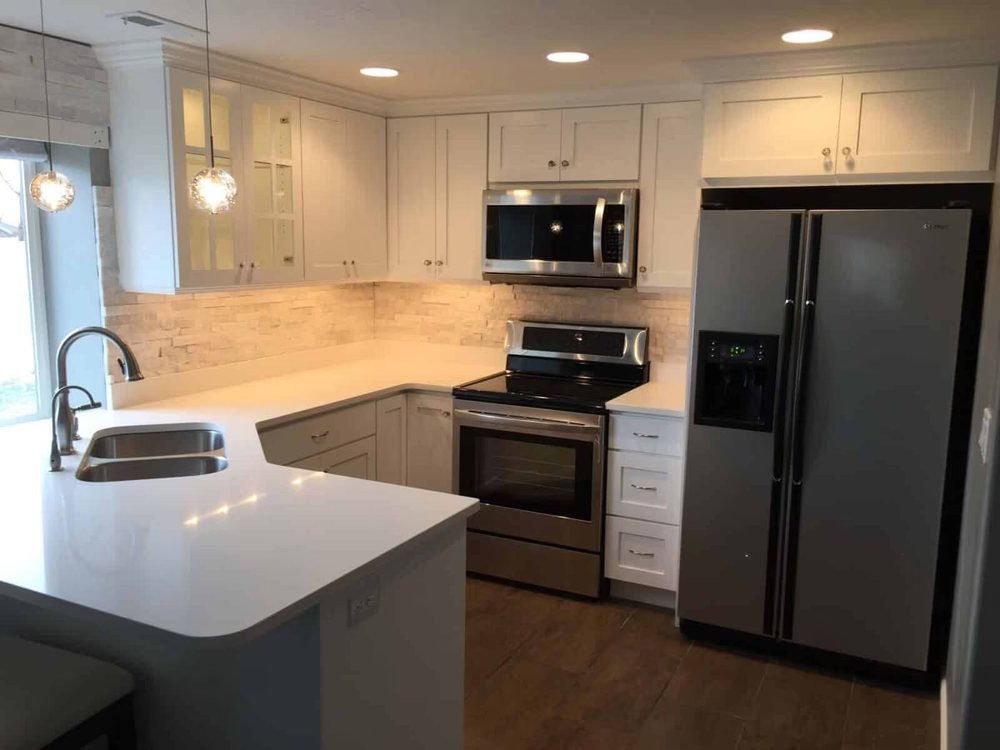
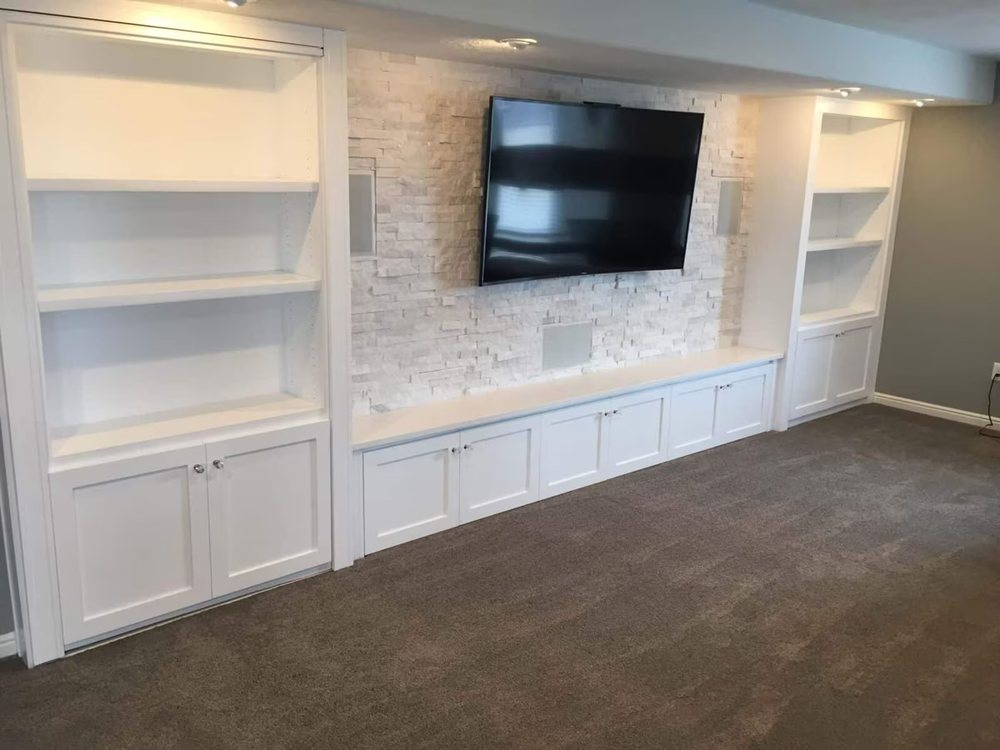
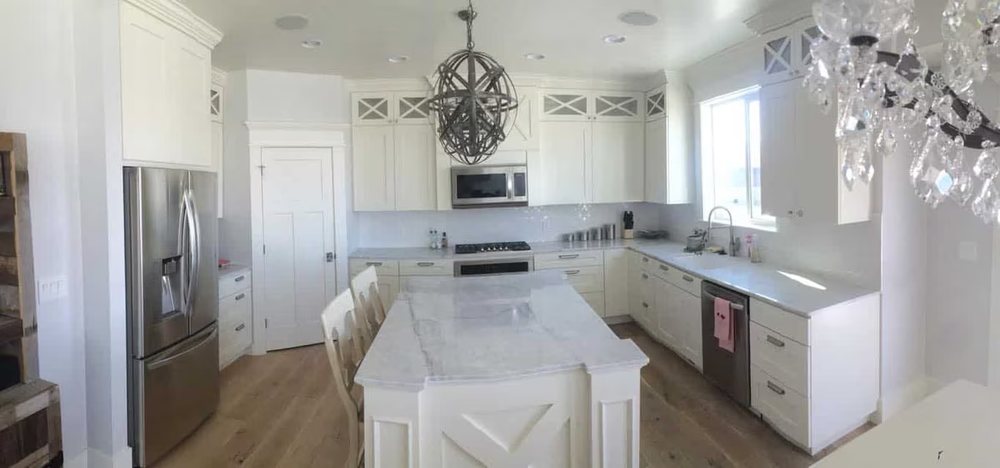
These are real finished basement project photos from the Utah Basement Finishing team, not stock images.
Basement remodeling in Utah for dated finished basements: layout fixes, costs, moisture/code checks, and free estimates from the SALT LLC-backed team.
Basement remodeling is different from basement finishing. Finishing builds out raw space for the first time. Remodeling fixes an existing basement that is dated, poorly planned, damaged, or no longer working for your family.
If your basement was finished in the ’90s or early 2000s, you probably know the look: dark wood paneling, low drop ceilings, questionable carpet choices, and a layout that wastes half the square footage on oversized hallways and closets nobody uses. Utah is full of these basements. We’ve remodeled hundreds of them.
At Utah Basement Finishing, we’ve spent over 20 years helping homeowners across Salt Lake, Utah, Davis, and Weber counties turn underperforming basements into spaces they actually want to spend time in. Utah Basement Finishing operates under SALT LLC, the Utah construction company behind SALT.build, so the basement brand is backed by a real contractor operation. This guide covers everything involved in a Utah basement remodel, from knowing when it’s time, to what the process looks like, to what it costs.
A basement remodel updates a basement that is already finished. That may mean removing dated finishes, fixing a bad layout, adding a bathroom, creating legal bedrooms, replacing old lighting, correcting moisture damage, or turning a chopped-up lower level into usable family space.
If you are comparing basement remodeling in Utah or searching for a basement remodel Utah contractor, start with the current condition of the basement:
Styles change. What looked good in 2003 doesn’t look good now. Dark paneling, popcorn ceilings, brass fixtures, and builder-grade carpet are all signs the basement is dragging down your home’s overall feel and value.
Maybe the previous owners finished the basement for their needs, not yours. A massive rec room that your family never uses. Tiny bedrooms that feel like closets. No bathroom when you desperately need one. A remodel lets you reconfigure the layout to match how your family actually lives.
Water stains on walls, musty smells, warped baseboards, or visible mold. Utah’s clay soils in areas like Draper, Riverton, and parts of Ogden can hold moisture against foundation walls, especially after heavy snowmelt. A remodel is the opportunity to address the underlying issue and rebuild properly.
Older basement finishes, especially DIY jobs, often lack proper egress windows in bedrooms, adequate electrical circuits, or fire-rated assemblies around mechanical rooms. A remodel brings everything up to current International Residential Code standards (which Utah follows).
Kids grew up and moved out. Or new ones arrived. You started working from home. You want rental income from an ADU. Life changes, and your basement should change with it.
| Basement Finishing | Basement Remodeling | |
|---|---|---|
| Starting point | Unfinished (concrete, exposed framing) | Already finished but outdated/damaged |
| Demolition | None (building from scratch) | Partial or full demo of existing finishes |
| Structural changes | Rarely needed | Often involves moving walls, adding openings |
| Plumbing changes | New installs only | May reroute existing plumbing |
| Timeline | 4-8 weeks typical | 6-12 weeks depending on scope |
| Cost | $25-$65/sq ft | $30-$80/sq ft (demo + rebuild) |
Remodeling typically costs 15-25% more than finishing because of the demolition, disposal, and the work involved in rerouting existing systems. But the end result is a space designed specifically for your current needs.
Search terms like basement remodeling, basement remodel Utah, and basement remodeling Utah can mean different things. Google sometimes sends those searches to a homepage, but homeowners usually need a more specific answer.
| Search intent | Best starting page | Why |
|---|---|---|
| Remodel an existing finished basement | This remodeling guide | Covers demolition, layout fixes, moisture, code, and rebuild cost |
| Finish raw basement space | Basement Finishing Utah | Covers framing, rough-ins, permits, insulation, drywall, and new finish work |
| Compare planning budgets | Cost guide | Gives square-foot ranges, bathroom, kitchen, wet bar, and egress cost drivers |
| City-specific contractor search | Areas we serve | Helps match the project to local homes, permits, and nearby crews |
A good remodel estimate should not only list new finishes. It should explain what stays, what comes out, what has to be brought up to code, and whether the basement needs hidden corrections before the pretty parts go back in.
The most comprehensive option. We strip everything down to the studs (or concrete), address any underlying issues, and rebuild from scratch with a new layout. This makes sense when:
What’s involved: Full demolition, new framing layout, updated electrical and plumbing, new insulation, drywall, flooring, trim, and finishes throughout.
Typical cost: $40,000–$90,000 for a 1,000-square-foot basement.
The structure and layout work fine, but everything looks tired. This is the most cost-effective remodel:
Typical cost: $10,000–$25,000 for a 1,000-square-foot basement.
Keep some of the existing buildout but move walls to create a better floor plan. Common scenarios:
Typical cost: $25,000–$60,000 depending on the extent of changes.
If your basement has active moisture problems, a remodel is the time to fix them right. We see this often in homes along the benches in Bountiful, Centerville, and Farmington where snowmelt runoff and clay soils create hydrostatic pressure against foundations.
The fix typically includes:
Typical cost: $15,000–$35,000 for remediation + $25,000–$50,000 for the rebuild.
We start with a thorough assessment of your existing basement:
From there, we collaborate on a new design. We’ll present floor plan options, material selections, and a detailed scope of work. You’ll know exactly what you’re getting before we start.
Controlled demolition is an art. We protect existing finishes you’re keeping, properly disconnect utilities, and systematically remove old materials. All debris is hauled away, we don’t leave a dumpster in your driveway for weeks.
During demo, we often discover things hidden behind walls, amateur wiring, missing insulation, improperly framed headers, or moisture damage that wasn’t visible. This is actually one of the advantages of a remodel, we get to find and fix problems that have been lurking.
The rebuild follows the same sequence as a new basement finish:
Final inspections, punch list, and a detailed walkthrough with you. We make sure every detail meets your expectations and all work is documented for permit closeout.
Luxury vinyl plank dominates the Utah basement market right now, and for good reason. It’s waterproof, handles temperature swings well, and modern LVP is nearly indistinguishable from real hardwood. We install COREtec Plus and similar rigid-core products that don’t require acclimation and can go directly over concrete with a built-in underlayment.
Large-format porcelain tile is gaining popularity for basement bathrooms and kitchens. The 12x24 and 24x24 sizes create a clean, modern look with fewer grout lines. We recommend matte or textured finishes for slip resistance.
Carpet still makes sense for bedrooms and dedicated theater rooms. Synthetic fibers (Shaw or Mohawk branded nylon) with a moisture barrier pad and low pile height are the practical choice for below-grade spaces.
Smooth drywall finishes are trending over orange-peel and knockdown textures. More labor-intensive (Level 5 finish required), but the result is clean and contemporary. Accent walls with shiplap, stone veneer, or wood slat panels add character without making the space feel busy.
Painted ceilings (instead of drop ceilings) maximize headroom and look significantly better. We spray ceilings with the same flat white used on the walls for a clean look, or use a darker color in theater rooms.
Recessed LED lighting is standard in basement remodels. We use 4-inch or 6-inch cans on dimmer switches, spaced to eliminate dark corners. Supplemental lighting like wall sconces, under-cabinet LEDs, and pendant lights over bars/islands add layers and warmth.
Natural light is always a priority. Adding or enlarging windows, installing egress window wells with clear covers, and using light paint colors all help combat the “cave” feeling that basements are known for.
The dark, cave-like basement is over. Current Utah trends lean toward:
Every Utah municipality requires permits for basement remodeling that involves structural changes, electrical, plumbing, or HVAC work. Cosmetic-only remodels (paint, flooring, fixtures) may not require a permit, but anything beyond that does.
Key code requirements for Utah basement remodels:
Utah’s radon levels are a real concern, particularly along the Wasatch Front. The EPA recommends mitigation at 4 pCi/L or above, and many Utah homes exceed that. A basement remodel is a good time to install a radon mitigation system because the piping can be routed inside walls before drywall goes up.
Utah’s energy code (based on IECC 2021) requires R-15 continuous insulation or R-19 cavity insulation on basement walls. During a remodel, upgrading insulation to meet or exceed current code standards dramatically improves comfort and reduces heating costs. Closed-cell spray foam is the premium option, it insulates, air-seals, and acts as a vapor barrier in one application.
Some Utah neighborhoods (particularly in South Jordan, Herriman, Highland, and Cedar Hills) have HOAs that require approval for exterior modifications, including egress window installations that change the appearance of the home’s exterior. We help navigate HOA approval processes when needed.
Several factors influence the total cost of a Utah basement remodel:
Before deciding to remodel, it’s worth comparing the cost to simply moving to a home with a basement that already suits your needs:
For most families, remodeling wins, especially when you factor in the disruption of moving.
Skipping the moisture assessment. We’ve seen homeowners invest $50,000 in a remodel only to discover water intrusion six months later. Always test for moisture before building.
Ignoring the mechanical room. Your furnace, water heater, and electrical panel need room to breathe and be serviced. Don’t bury them behind walls without access panels and proper clearances.
Over-building for the space. A 200-square-foot wet bar with full granite countertops in a 900-square-foot basement doesn’t make sense. Allocate your budget proportionally.
Cheap lighting. Basements need more lighting than above-grade rooms because they lack natural light. Skimping on recessed cans or skipping dimmers is a mistake you’ll regret every time you go downstairs.
DIY electrical and plumbing. Utah requires licensed professionals for these trades, and for good reason. Improperly wired basements are a fire hazard, and bad plumbing leads to sewage backups. Don’t cut corners here.
Before you invite any contractor over, it helps to understand the pieces that usually drive a Utah basement remodel budget:
Those links are not homework for fun. They help you spot whether a bid is complete or just cheap.
We specialize in basements. That’s not a side hustle for us, it’s our entire focus. After 500+ completed projects along the Wasatch Front, we’ve developed systems and expertise that general contractors simply don’t have:
We serve homeowners across Salt Lake County, Utah County, Davis County, and Weber County. From Ogden to Provo, if you’re along the Wasatch Front, we’re your basement remodeling team.
Important remodel markets include Salt Lake City, South Jordan, Herriman, Riverton, Lehi, Orem, Layton, and Ogden.
Remodeling takes longer than a first-time finish because of the demolition phase. Here’s a realistic timeline:
Most basement remodels take 8-14 weeks from start to finish. Cosmetic refreshes are faster (3-5 weeks). Full gut renovations with layout changes are on the longer end.
How much does a basement remodel cost in Utah? Cosmetic refreshes run $10,000–$25,000. Layout reconfigurations cost $25,000–$60,000. Full gut renovations with new layouts run $40,000–$90,000+. The scope of demolition and the extent of plumbing/electrical changes are the biggest cost drivers.
Do I need a permit for a basement remodel? If the remodel involves structural changes, electrical work, plumbing, or HVAC modifications, yes. Cosmetic updates like paint, flooring, and fixtures typically do not require a permit. We can confirm the permit requirements after we understand the scope.
Can I live in my home during a basement remodel? Absolutely. Basement remodels have minimal impact on daily living. There will be noise during demolition and construction, dust control measures throughout the house, and contractors accessing your home daily. But your main living spaces remain functional.
Is it better to remodel or move? For most Utah families, remodeling costs less than selling and buying. Moving involves $35,000–$60,000+ in transaction costs (commissions, closing costs, moving expenses), and you lose your neighborhood, your kids’ school district, and the equity position you’ve built. Remodeling lets you stay put and get exactly the space you want.
How do I know if my basement has moisture issues behind the walls? Signs include musty odors, staining on baseboards, warped or bubbling paint, and visible mold. During our assessment, we use moisture meters to check both surface and subsurface moisture levels. If we find issues, we address them as part of the remodel, it’s the ideal time to fix drainage and waterproofing problems.
Your basement shouldn’t be the room in your house that everyone avoids. Whether it needs a cosmetic refresh or a complete gut renovation, we’ll help you create a space that works for your family.
Call 801-515-3473 for a free in-home estimate. We’ll look at the current basement, talk through the scope, and give you a detailed remodeling estimate.
Utah Basement Finishing, 369 East 900 South #235, Salt Lake City, UT 84111 Serving Salt Lake, Utah, Davis, and Weber Counties Monday–Saturday, 8am–6pm
These are real finished basement project photos from the Utah Basement Finishing team, not stock images.